People don’t buy from websites. They buy from people.
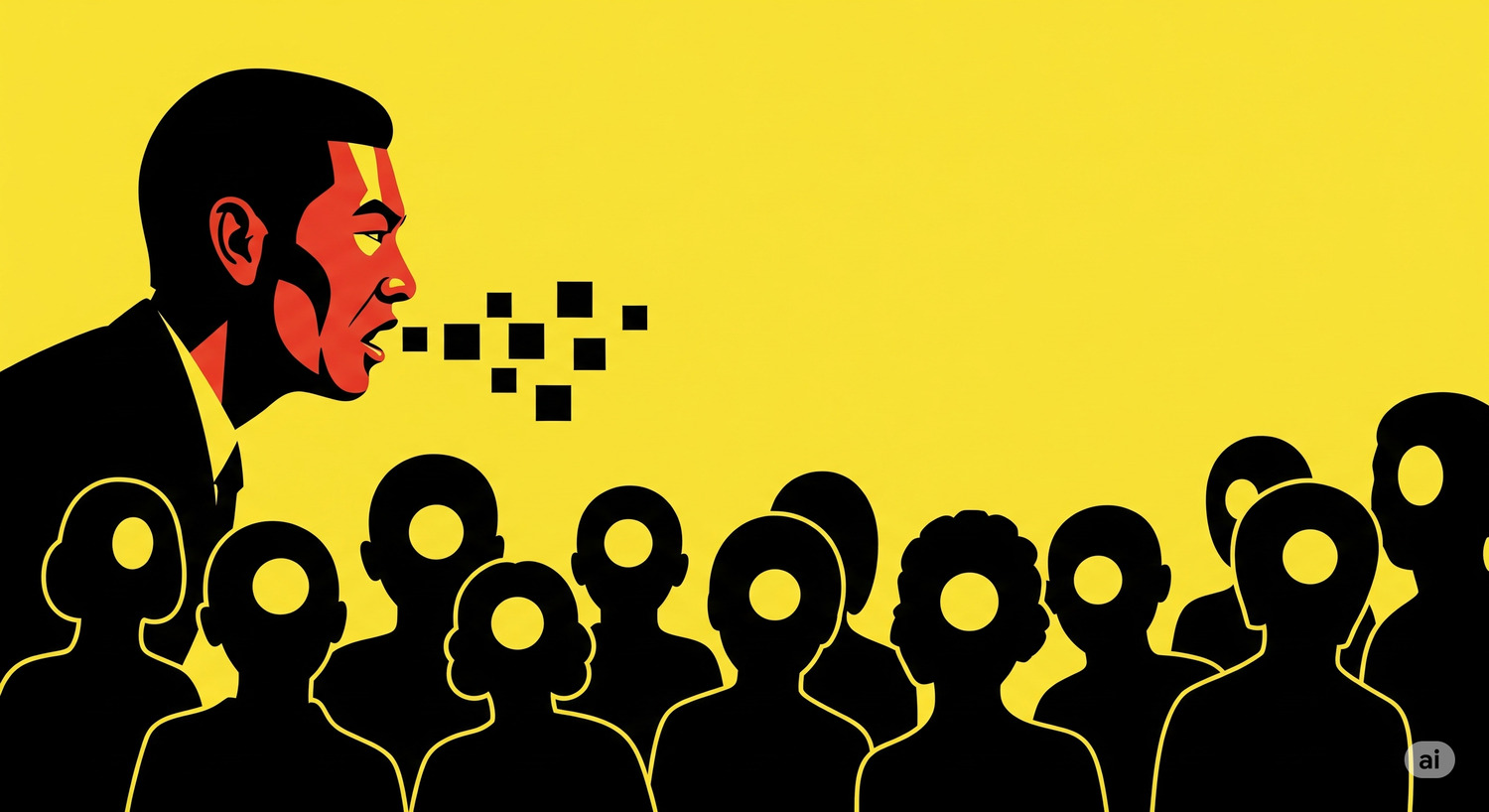
In a digital world saturated with anonymous logos and corporate jargon, the single greatest advantage a business can have is a human face. Yet, countless businesses build websites that are sterile, impersonal, and faceless. They hide the very people, stories, and values that would make a customer choose them.
This is the “Who Are You?” problem, and it’s a silent killer of trust and conversions. As I detail in my book, Decoding The Click, every visitor arrives at your site with a healthy dose of skepticism. They operate from a default position of disbelief, a state I call the “Trust Deficit”. Your “About Us” page is not a formality or an afterthought; it is your first and most powerful tool for overcoming this deficit.
The data is unequivocal:
52% of users head straight to the “About Us” page when first visiting a site. If they find a dead end—or worse, nothing at all—you are failing their first and most important test. As a website strategist, I see this as the most critical—and most rewarding—opportunity to forge a real connection.
The Trust Deficit: The High Cost of Being a Ghost
A missing or poorly crafted “About Us” page deepens the trust deficit and has severe consequences for your business.
- It Eradicates Credibility: In an era of rampant misinformation, users are inherently judgmental. Research shows 75% of consumers judge a business’s credibility by its website design, and a key part of that design is transparency. A faceless brand feels suspicious, triggering a negative first impression and causing visitors to question your legitimacy before they even see what you sell.
- It Signals a Lack of Authority (and Kills Your SEO): Google’s entire quality framework in 2025 is built on E-E-A-T (Experience, Expertise, Authoritativeness, and Trustworthiness). Your “About Us” page is where you prove your E-E-A-T. It’s where you showcase first-hand Experience through your origin story , highlight the Expertise of your team with detailed bios , and build Trustworthiness through transparency. A missing page sends a powerful negative signal to Google that there are no experts or real experience behind the brand.
- It Fails to Build an Emotional Connection: People make decisions based on emotion and justify them with logic. Your brand’s story—its struggles, its mission, its purpose—is what creates the emotional hook that makes a customer feel connected to you. Without it, you are just another faceless commodity, forced to compete on price alone.
The Blueprint for a High-Trust “About Us” Page
A great “About Us” page is a strategic conversion tool. It should be a compelling narrative that answers “Who are you?”, “Why do you exist?”, and “Why should I trust you?”. This is a core pillar of building Websites That Stand Strong—sites that earn trust before they ask for the sale.
1. Lead with Your “Why,” Not Just Your “What” Don’t just state what you sell. Start with your mission. Why did you start this business? What problem did you see in the world that you were uniquely driven to fix? This is the core of your brand story and the first step in building a genuine emotional connection.
2. Tell Your Origin Story Narrate your company’s journey with authentic detail. Don’t be afraid to be human. Talk about the early challenges you faced and the key milestones you achieved. A story of struggle and perseverance is far more memorable and relatable than a dry list of corporate achievements.
3. Introduce the Humans (The Heart of E-E-A-T) This is the most critical element for demonstrating Experience and Expertise. Ditch the generic stock photos and show the real people behind the logo.
- Use High-Quality, Real Photos: Show authentic pictures of your founder(s) and key team members. A warm, professional headshot builds an instant connection.
- Write Compelling Bios: Go beyond job titles. Share credentials, industry experience, and what each team member is passionate about. This showcases the real expertise that powers your business.
- Link to Professional Profiles: A new best practice is to link each team member’s name to their LinkedIn profile. This creates a powerful, verifiable web of trust and directly supports your E-E-A-T signals for Google.
4. Showcase Your Proof You’ve told your story; now back it up with hard evidence. Reinforce your claims with tangible proof that turns skepticism into confidence.
- Awards and Certifications: Display any industry recognition, awards, or official certifications you’ve received. These act as third-party endorsements of your quality.
- Customer Testimonials: Use powerful, specific quotes from happy customers. Remember, a great testimonial tells a mini-story with a “before” and “after,” showing a clear transformation.
- “As Seen In”: If you’ve been featured in any reputable publications, display their logos. This “borrowed trust” is a powerful signal of your authority.
5. Bonus: Structure Your Trust for Search Engines This is an advanced technique your competitors are likely ignoring. Use Organization and Person Schema Markup on your “About Us” page. This structured data explicitly tells search engines about your business and the key people behind it, reinforcing their credentials and roles. It’s the technical layer that proves your E-E-A-T to Google’s AI.
Don’t Be a Faceless Brand
In an increasingly automated and anonymous digital world, your most powerful competitive advantage is your humanity. Your story, your mission, and the real people on your team are what will differentiate you from the sea of soulless competitors.
Your “About Us” page is not just another link in your navigation; it is the bridge between your business and a customer’s trust. Don’t leave it unbuilt.