The everyday problem
When the Shout Comes Out Instead of the Asking
Some children don’t mean to yell. The feeling arrives first and arrives big, and the words get swept along with it. “Calm down” rarely helps in that moment.
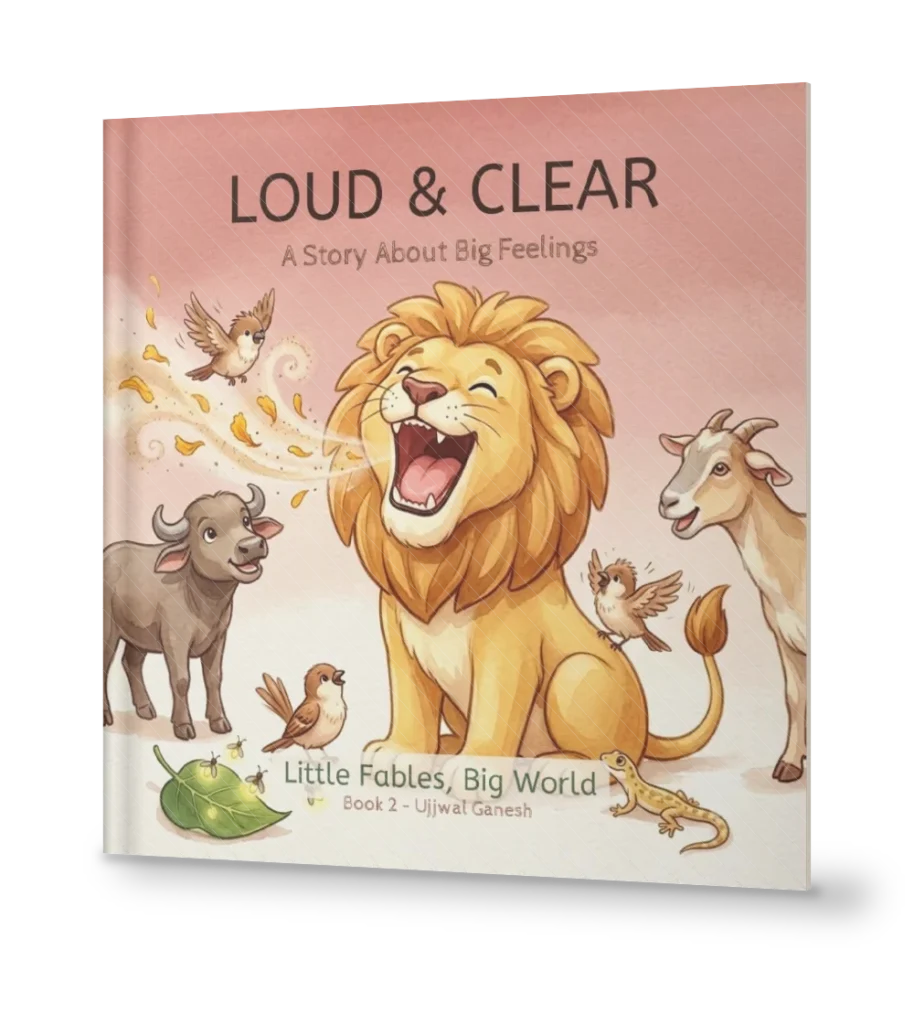
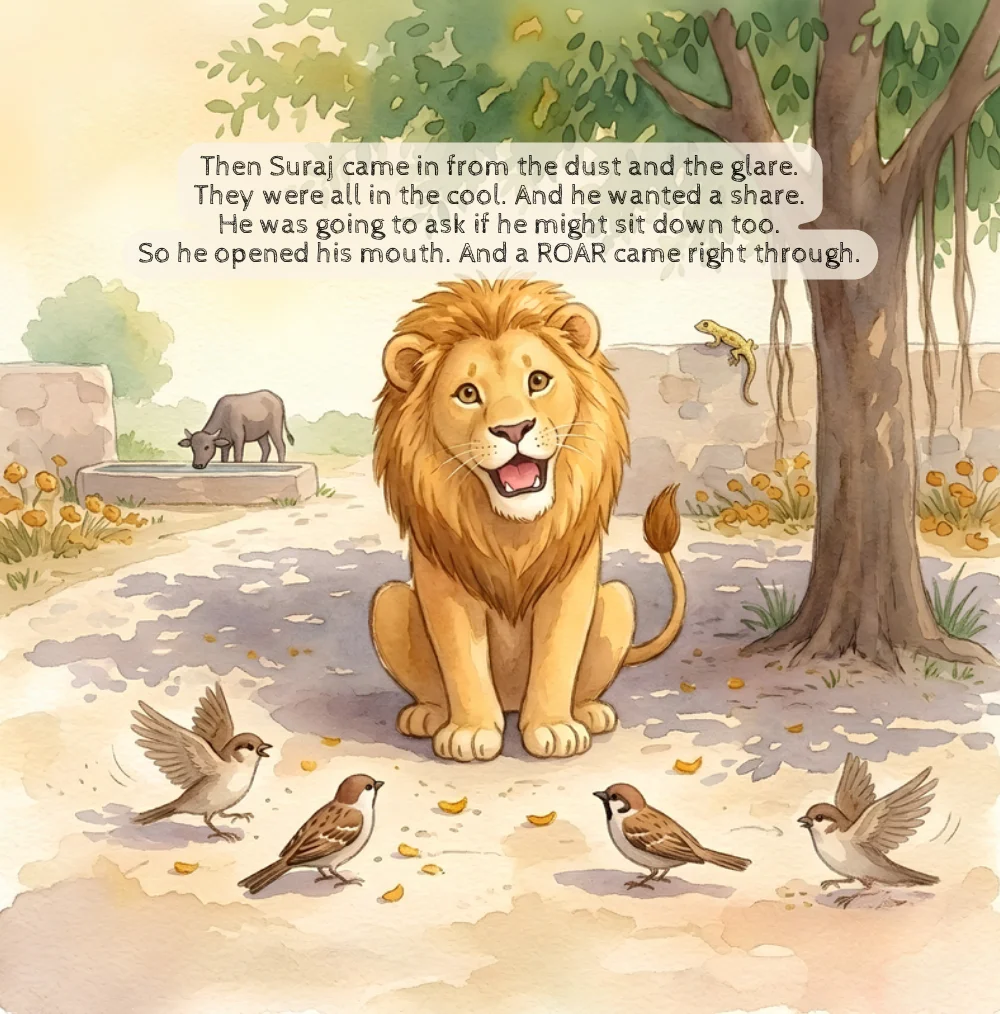
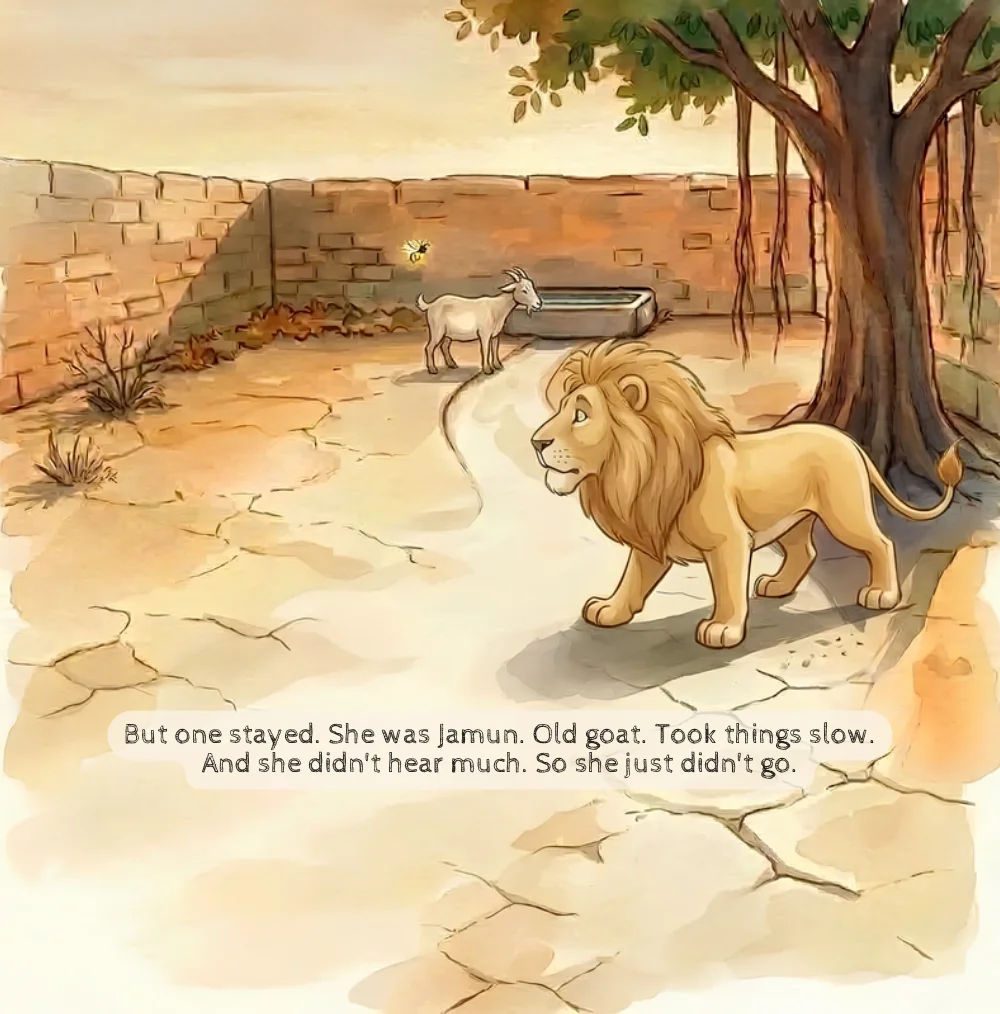
In the old tale, Suraj walks into the one patch of shade in a hot village square. He means to ask for a place. A roar comes out instead, and by the time it ends, everybody has gone.
Inside the story
Two Paws on the Tummy, One Slow Breath, Then Say It
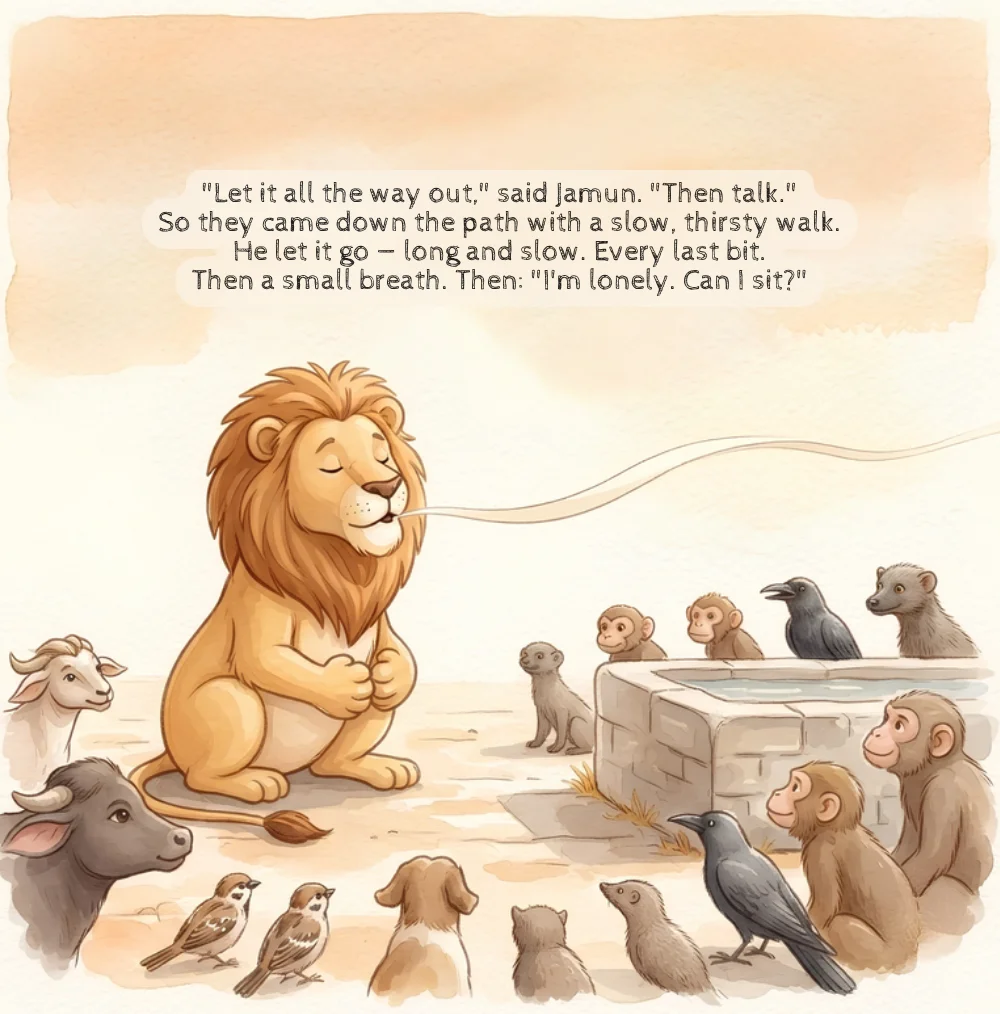
An old goat named Jamun helps Suraj find out what a roar is made of: air, and a big breath he can feel arriving. The story hides three moves a young child can actually do: two hands on the tummy, one slow breath out, then say it or show it.
Suraj keeps his roar. He learns that it’s a poor way of asking, puts things right with the animals he scared, and finds his voice. The rhyme at the end is one children can keep: “Two paws on my tummy. I know you are there.”
At the back: a note for grown-ups on why “calm down” lands badly, what a slow out-breath can and can’t do, conversation starters and things to practise when nobody is upset.
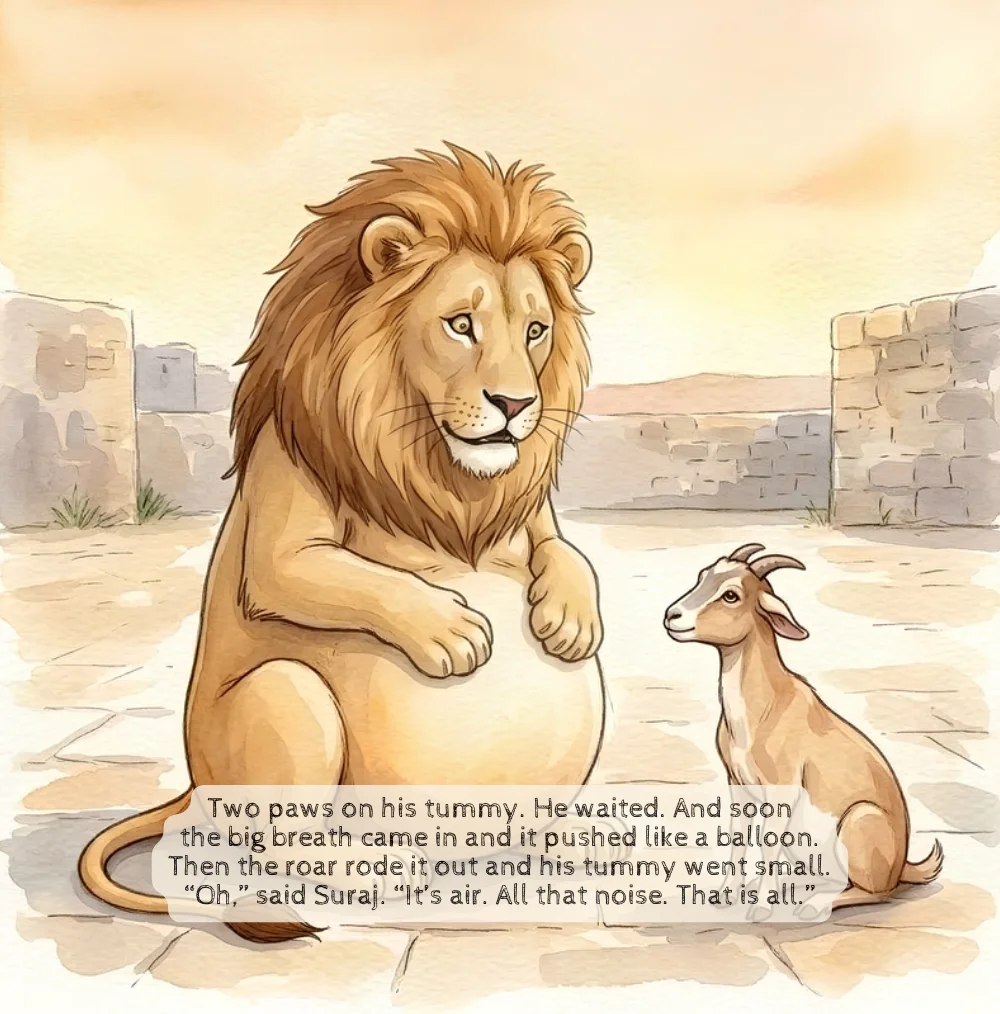
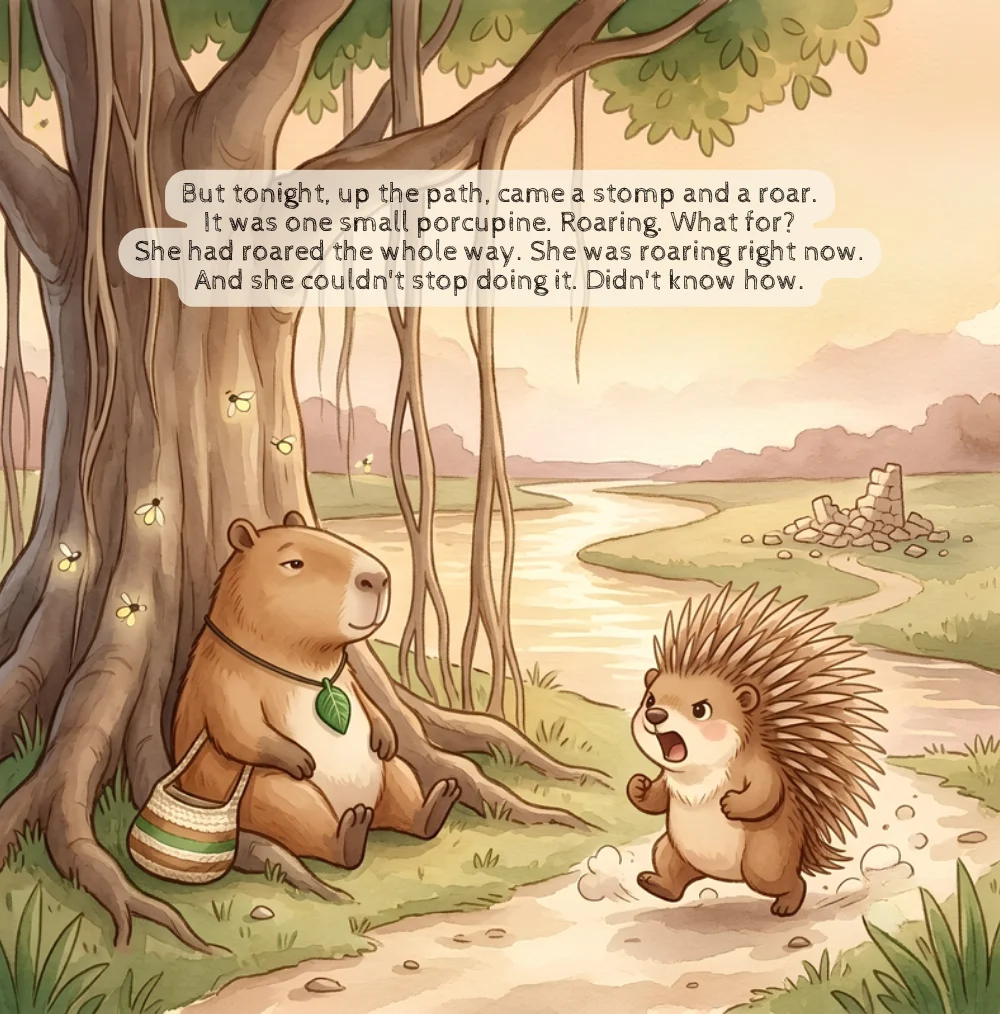
Sample pages
Look inside Loud & Clear
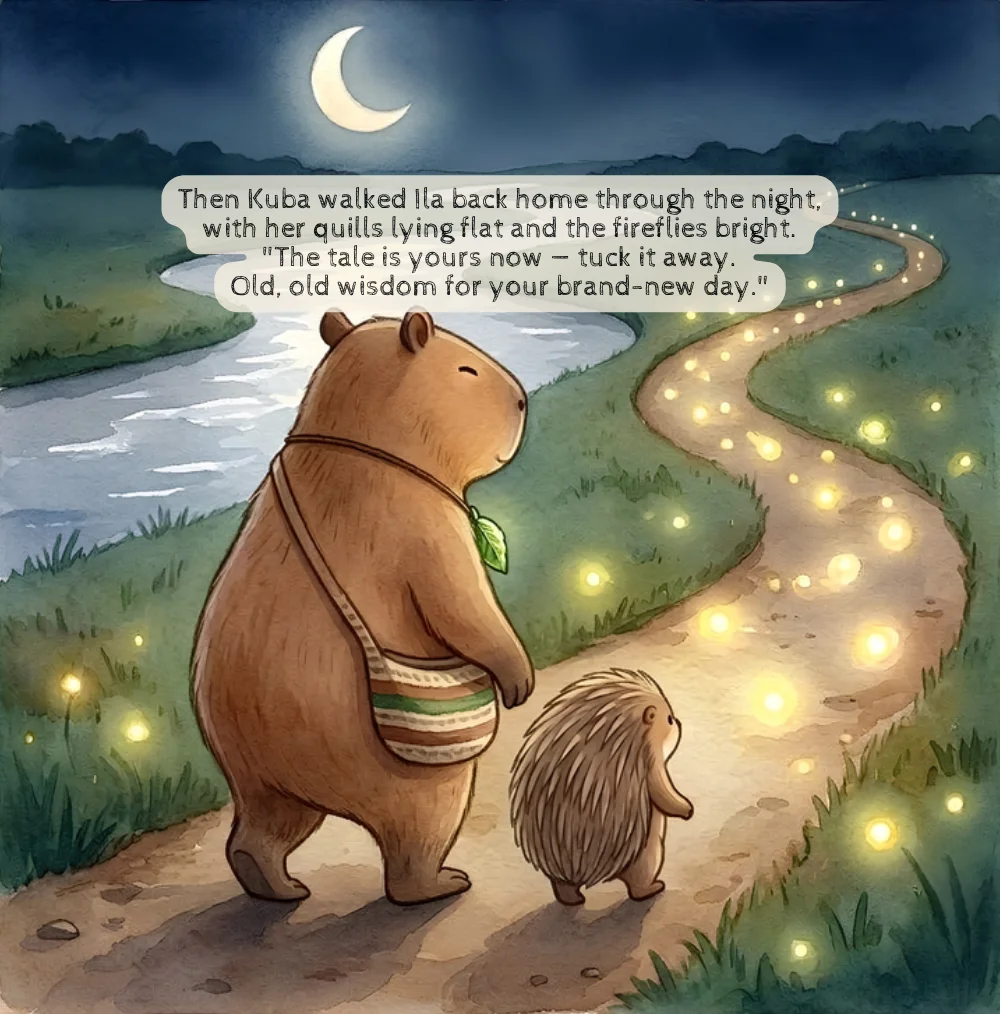
A few watercolour pages from the story. Tap any page to see it larger.
Why it helps
What Your Child Takes Away
Loud & Clear doesn’t ask for a quieter child. It gives big feelings a route to words, and gives grown-ups something better to say than “calm down.”
Feelings Come With Air
Children notice the big breath that arrives with a big feeling, the first step to steering it.
Three Small Moves
Two hands on the tummy, one slow breath out, then say it or show it.
Saying Sorry Well
Suraj names the harm and moves out of the way: a gentle model of repair.
Practice Before the Storm
Activities to try when everyone is calm, so the moves are ready when they’re needed.

Get the book
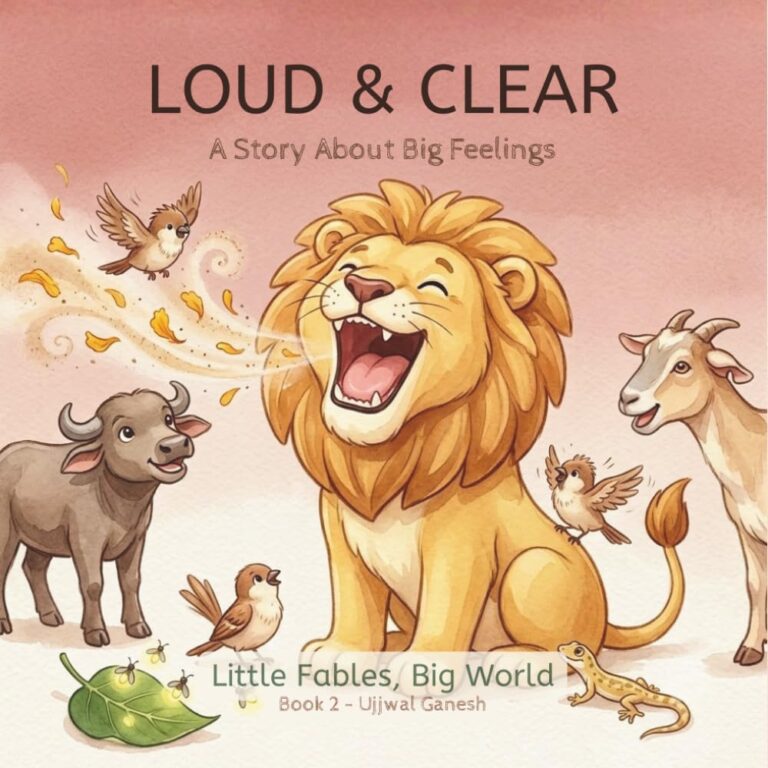
Loud & Clear
Not a Way to Be Quiet. A Way to Be Heard. A Rhyming Fable About Big Feelings
Also on Amazon.com: Kindle
Other Amazon stores
Paid links: as an Amazon Associate I earn from qualifying purchases.